In an exclusive interview with Cinephile Tourist at the BFI London Film Festival, the filmmaker behind Sumo: Spirit Weighs Nothing opens up about breaking into one of Japan’s most private sporting traditions, the brutality of training, and why true strength has little to do with physical power.
For centuries, sumo wrestling has occupied a distinctive place in Japanese culture, its rituals and traditions passed down through generations. But for filmmaker Erik Shirai, getting beyond the spectacle and into the fiercely guarded world of its wrestlers would prove an extraordinary challenge. “It took four years to gain that access,” Shirai tells Cinephile Tourist during an interview at the 2026 BFI London Film Festival. “Sumo was notoriously known to be very private, sort of cautious to outsiders.” The result is Sumo: Spirit Weighs Nothing, an intimate documentary that ventures beyond the wrestling ring to explore the sacrifices, discipline and deeply rooted cultural beliefs underpinning Japan’s ancient sport.
Presented by ESPN Films, the documentary follows four wrestlers at different stages of their careers over the course of a year, offering an unusually close look at a tradition that has long remained largely inaccessible to outsiders. For Shirai, however, the greatest challenge wasn’t simply securing permission to film. It was earning the trust of the people whose lives he hoped to document. Once that trust was established, the director was able to observe the wrestlers and discover the personalities behind a sport so often reduced to its physical spectacle. It was those encounters that convinced him there was a film worth making.
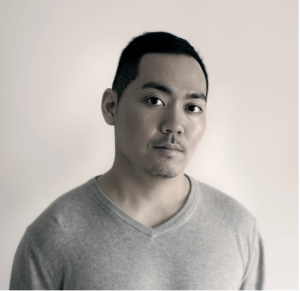
Having grown up surrounded by Japanese culture, Shirai was hardly unfamiliar with sumo. In fact, it had been a constant presence throughout his childhood. “I grew up with it, like a lot of Japanese in the world, it was always playing in the background,” he recalls. That familiarity, he suggests, is also why some Japanese audiences may overlook the extraordinary discipline and sacrifice involved. “It’s one of those things … if you see it all the time, and if you’re around it all the time, you don’t really think too much about it.”
Yet outside Japan, the problem is almost the opposite. Rather than being taken for granted, sumo is frequently misunderstood. “I think the biggest misconception is that they think sumo is a sport for fat people,” Shirai says.
For the filmmaker, that perception obscures a far more profound tradition, one rooted in spirituality, dedication and the pursuit of self-improvement. He describes sumo as a practice concerned with the refinement of the spirit, shaped by a cultural history stretching back approximately 1,500 years. Its origins are closely associated with Shinto, Japan’s indigenous religious tradition, including rituals connected to harvests and offerings to the gods. “I think it’s that part that people mostly don’t understand,” he explains, referring to the religious foundations of sumo.
It was precisely this divide between perception and reality that made the subject so compelling to him. Shirai saw an opportunity not only to challenge assumptions about the sport, but also to address broader misunderstandings of Japanese culture in the Western world.
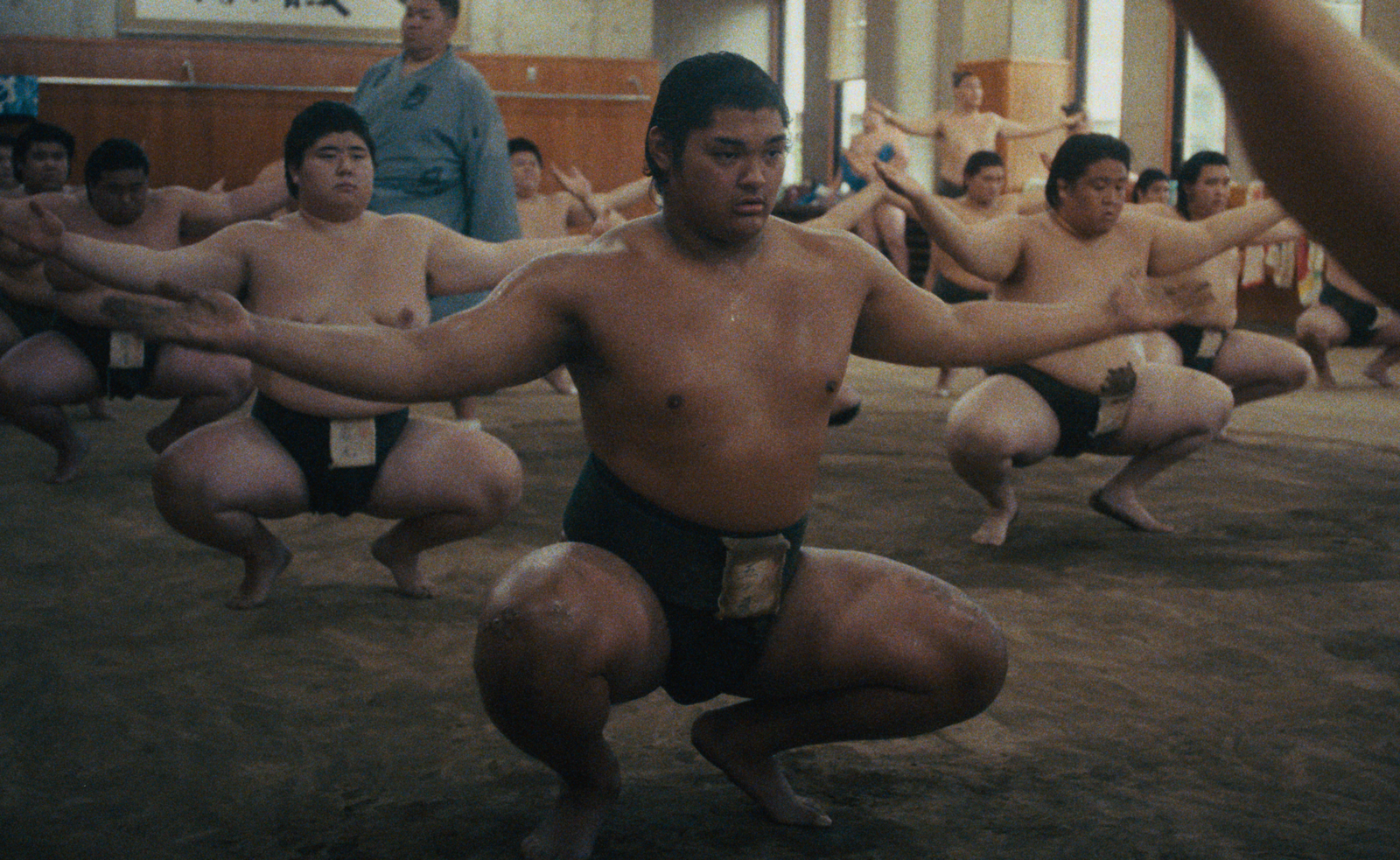
If sumo’s spiritual dimension came as a revelation, its physical demands proved no less striking. Shirai’s documentary follows four wrestlers whose careers illustrate the different pressures of life within the sport. Among them is Terunofuji Haruo, a yokozuna – the highest rank in professional sumo – whose years of competition have taken a considerable physical toll. There is also rising wrestler Hiradoumi Yuki, alongside younger hopefuls Yonezawaryu Daiki and Kosei Motomura, each navigating the demanding expectations of a centuries-old institution.
Their experiences reveal a world in which commitment is measured not merely by victories but by the physical and personal sacrifices required to compete. For Shirai, one particular memory from filming remains impossible to forget. “The trainings are pretty brutal,” he says. It wasn’t simply the sight of the wrestlers colliding that stayed with him, but the sound. The impact of heads meeting during training produced a noise unlike anything he was accustomed to hearing. “That sort of thumping sound … it’s a bone-chilling feeling that you get when you hear the sound.”
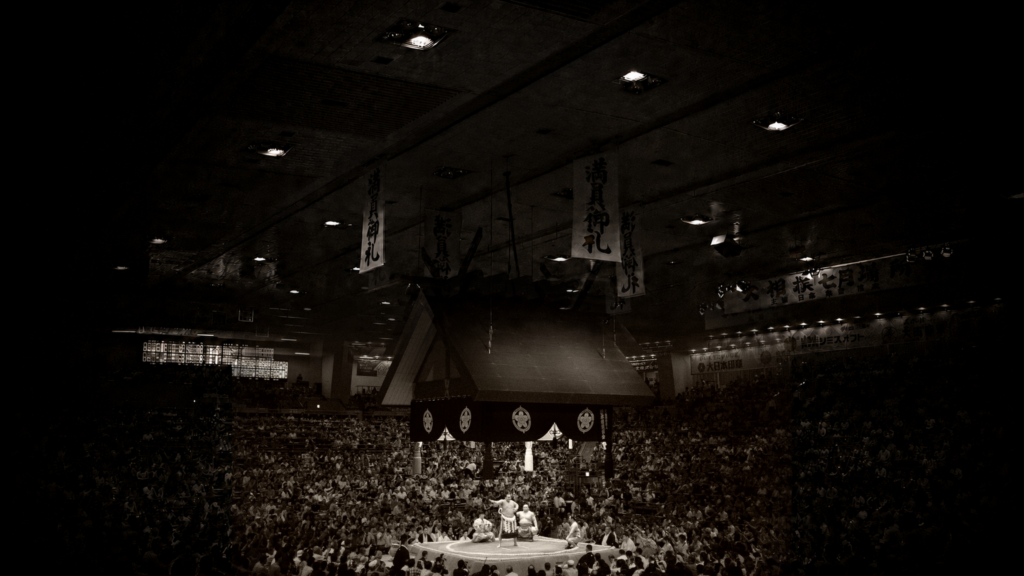
It was an experience that left a lasting impression on the director. And while his film brings audiences closer to that environment, Shirai acknowledges that witnessing those collisions firsthand is a different experience altogether. “You can’t help but cringe,” he says when asked how the real-life experience compares with watching it on screen.
The visceral nature of those encounters underscores the extraordinary demands placed upon the athletes, whose daily routines require an unwavering commitment to their craft. But it is the contrast between that physical intensity and the humility expected of the wrestlers that Shirai finds particularly fascinating. Perhaps the most significant discovery Shirai made while exploring sumo was how differently strength can be understood across cultures.
In much of Western sporting culture, he observes, strength is often associated with dominance, bravado and the public celebration of individual achievement. “I think in the Western world, strength means pounding your chests, telling everyone you’re the best, you’re the greatest.” Sumo, by contrast, places considerable emphasis on humility, restraint and service. “In sumo, humility is sort of built into sort of the martial arts.”
It is a distinction that sits at the heart of Sumo: Spirit Weighs Nothing, a film less interested in celebrating physical size than examining the qualities that cannot be readily measured. For Shirai, dedication, resilience and spiritual discipline represent a different kind of power – one that exists beyond the visible spectacle of competition. There is something particularly timely about that philosophy. In an increasingly fast-paced world, the filmmaker believes sumo offers a reminder of the importance of being fully present. Unlike sports that allow audiences to revisit decisive moments through elaborate replays, a sumo bout can be over in seconds. The action demands complete concentration from its participants, with little room for distraction or hesitation.
Shirai’s fascination with the people and practices sustaining Japanese cultural heritage is not new. His feature documentary debut, The Birth of Sake (2015), explored the painstaking craft of traditional sake production, following the people who preserve another deeply rooted Japanese tradition. The film received a Special Jury Mention at the Tribeca Film Festival and won Best Documentary at the Palm Springs International Film Festival. His cinematography credits also include Tokyo Vice, while his documentary work has repeatedly demonstrated an interest in observing communities and traditions from the inside.
With Sumo: Spirit Weighs Nothing, Shirai returns to that territory on an ambitious scale. The film made its world premiere in the Venice Spotlight section of the 2026 Venice International Film Festival before arriving at the BFI London Film Festival, where it is part of the documentary competition. Yet despite its international festival presence, the story remains firmly grounded in the lives of the wrestlers and the cultural traditions they have dedicated themselves to preserving. For audiences unfamiliar with sumo, the film offers an opportunity to encounter Japan through a practice that is both widely recognisable and rarely understood in depth. And for those who have grown up with the sport, Shirai hopes it might encourage a closer appreciation of something that has become so familiar it is almost invisible.
Ultimately, Shirai hopes audiences leave Sumo: Spirit Weighs Nothing questioning their own assumptions about what makes somebody strong. The film’s title reflects the philosophy he encountered throughout the filmmaking process: that strength cannot always be seen, quantified, or celebrated through outward displays of power.
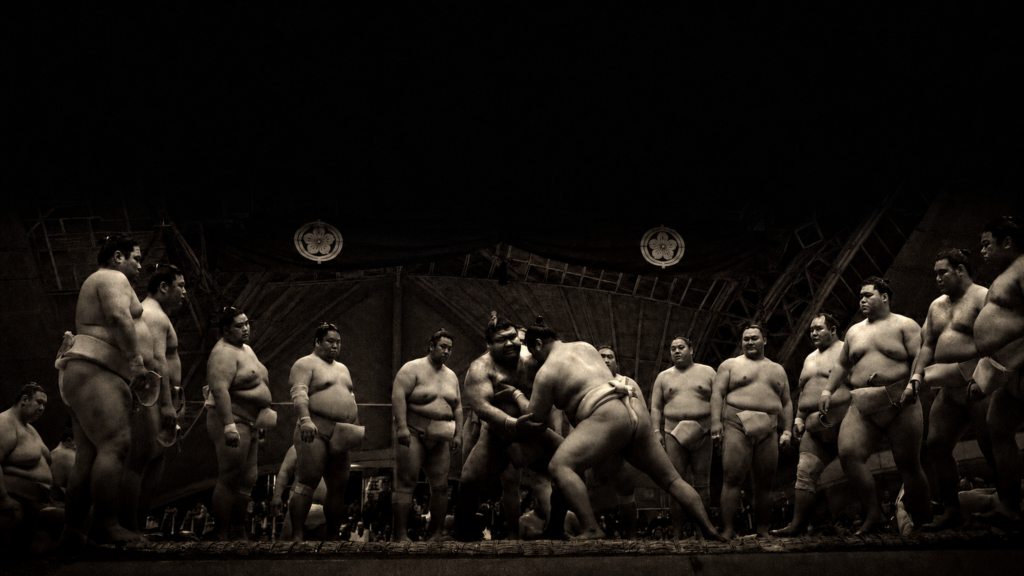
Photo credit: Erik Shirai
When asked what he most hopes viewers will take away from the documentary, the director returns to that idea. “I hope that people can take away this idea of strength, and what it actually means.”
For all the punishing training, physical sacrifice and fleeting moments of competition, Shirai believes the sport’s most valuable qualities lie beneath the surface. “True strength is not something that’s gonna be measured,” he says. It is a philosophy that extends far beyond the wrestling ring, challenging audiences to reconsider the qualities they value in themselves and others. And after spending four years trying to gain entry to sumo’s guarded world, Shirai’s greatest revelation is perhaps also his simplest: the most meaningful forms of strength are not necessarily the ones we can see.
Sumo: Spirit Weighs Nothing screened as part of the documentary competition at the 2026 BFI London Film Festival. Sumo: Spirit Weighs Nothing will be available to watch on ESPN via Disney+ in 2027.