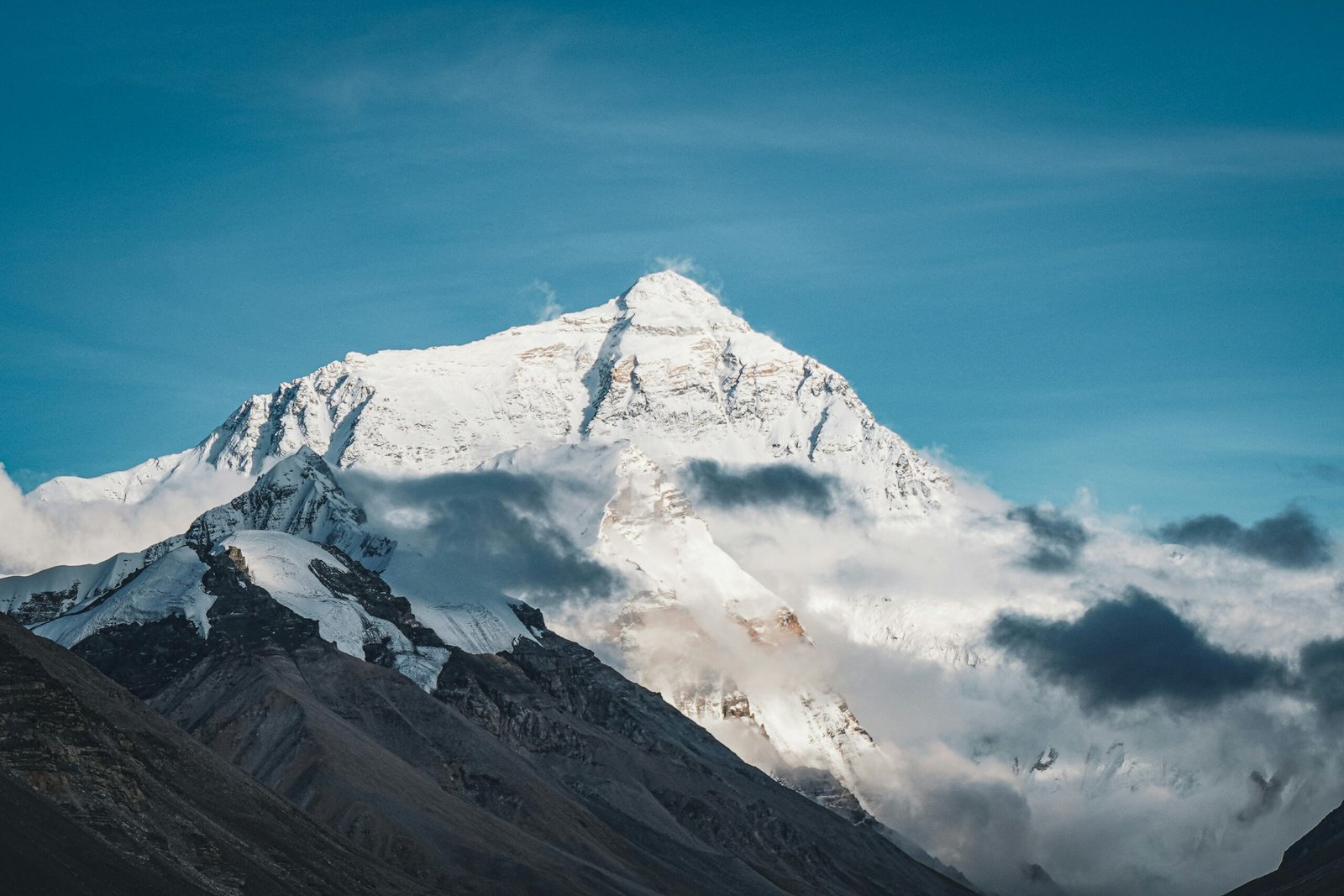
Everest: The Other Side was always going to stir up a storm of emotions in me. I knew that before taking my seat at the BFI London Film Festival 2026. My judgment was already compromised, in a way. I’ve always been drawn to the mountains. There’s something exhilarating about them, something that makes my own dreams feel almost as dizzying as those sky-high peaks. Every so often, in the middle of my otherwise ordinary life, I entertain the fleeting thought that perhaps I, too, could climb one of those extraordinary summits.
But then reality comes crashing down. Because no amount of ambition, preparation, or skill can guarantee your survival against Mother Nature’s unforgiving forces. Of course, it’s never just about you. It’s about the families and friends waiting for you to return. It’s about the people whose lives become entangled with your ambitions, particularly the Nepali Sherpa community, whose expertise and labour have made so many extraordinary mountaineering achievements possible.
From Oscar-winning filmmakers Elizabeth Chai Vasarhelyi and Jimmy Chin, Everest: The Other Side follows professional ski mountaineers Jim Morrison and Hilaree Nelson as they pursue an audacious ambition: skiing down Mount Everest’s treacherous North Face. It’s an undertaking that demands extraordinary preparation, patience and perseverance. But as the documentary unfolds, another question becomes increasingly difficult to ignore: why does anyone need to do this in the first place? It’s a question that appears to have divided viewers, too.
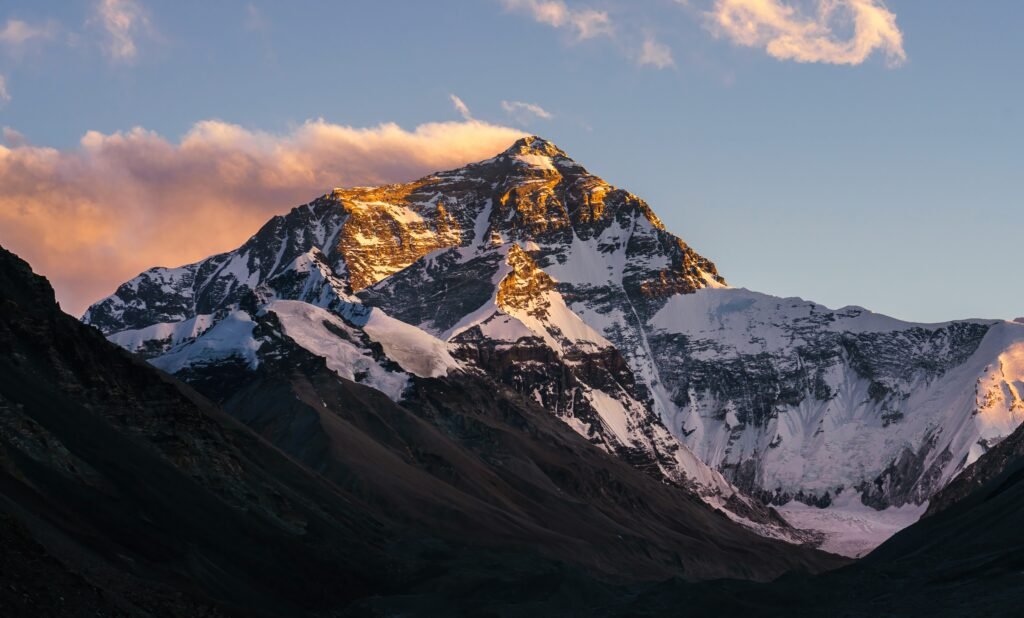
Some reactions I’ve encountered have been less than enthusiastic, with critics questioning the recklessness of attempting something so dangerous, particularly when the consequences extend far beyond the climbers themselves. Others have raised an equally uncomfortable issue: why should the dangerous ambitions of Western adventurers be celebrated against the backdrop of a local Sherpa community whose traditions, labour and relationship with these mountains stretch back generations? These are legitimate questions. But I would argue they’re precisely what makes the documentary so compelling.
Documentaries aren’t necessarily supposed to make us comfortable. They’re supposed to take us into lives we don’t fully understand, introduce us to perspectives we might never otherwise encounter, and sometimes leave us wrestling with what we’ve witnessed. In Morrison’s case, understanding the personal tragedy that drives him changes the emotional weight of his ambition entirely.
His experiences of unimaginable loss give his determination another dimension. What might initially appear to be a reckless pursuit begins to resemble something more complicated: an attempt to find meaning, purpose, or simply a reason to keep moving forward. How do you get out of bed after enduring that kind of grief? How do you begin to imagine a future? I couldn’t possibly answer those questions for him. But suddenly, his need to pursue something so enormous felt a little less incomprehensible. There’s something moving, too, about the people willing to stand beside him, including filmmaker Jimmy Chin, whose involvement places him directly in the expedition’s dangers and emotional complexities.
Still, I found myself fascinated by one particular conversation. Morrison, Nelson, and Chin are perched on the edge of a van, discussing the seemingly impossible task ahead. They question what they’re doing, why they’re doing it, and whether any of it makes sense. Yet the conversation keeps returning to the same conclusion: they have to do it. There is simply no other choice. Meanwhile, I was practically screaming at the screen that there were a million other things they could be doing instead! They could turn around. Go home. Take a lovely hike somewhere considerably less terrifying. Find a cosy cabin, put the kettle on and live to tell the tale.
Thankfully, Elizabeth Chai Vasarhelyi’s questioning scratched that itch, offering a welcome voice of reason amid the trio’s almost bewildering determination. Why? Why put yourselves through this? But the more I thought about it, the more I realised that perhaps I understood a small part of what they were trying to articulate.
Not that I would ever compare my own experiences to those of professional mountaineers attempting something so extraordinary. My hiking ambitions exist in an entirely different universe. But I’ve often wished I could be content with an ordinary life. That I didn’t have this persistent desire for something greater, something just beyond reach. A dream I can’t always define, let alone explain, but one that makes the routines of everyday life feel frustratingly small. Perhaps that’s why I found their conversation so affecting.
Because while I could never imagine climbing Everest, let alone skiing down its North Face, I recognised that restless feeling of wanting something so badly that the alternative barely feels like an alternative at all. I get it. I truly do.
But I also understand the other side. The lives lost in pursuit of these ambitions. The families left behind. The Sherpa guides and workers whose contributions are too often overshadowed by the achievements of the people they help reach the summit. The communities that carry the consequences of decisions made in pursuit of somebody else’s dream. At what point does ambition become selfishness? And who gets to decide whether the extraordinary achievement at the end justifies everything sacrificed along the way? I don’t think there’s a comfortable answer. Nor do I think the documentary needs to provide one.
For me, Everest: The Other Side was glorious. Glorious in its cinematic escapism. Glorious in its brutality. And glorious, perhaps most importantly, in the uncomfortable divide it creates between admiration and disbelief.
I left the screening no less obsessed with the mountains than when I arrived. If anything, the film reminded me why their beauty, danger and sheer scale have such a hold over my imagination. But it also left me with a deeper respect for the people, cultures and consequences that exist beyond the summit photograph. The Everest Base Camp trek has been on my bucket list for a decade, but as time has gone by, I know that when I eventually arrive in Nepal, it’ll come with a greater understanding of the backdrop in which the hiking activity is set- as well as a better understanding of chasing my own adventures and pushing my limits on a scale that allows me to come home afterward.
Everest: The Other Side releases theatrically on October 30, distributed by National Geographic Documentary Films.